
- [email protected]
- (0236) 3848376
- (0236) 3910064
NewsNEWS
- 23
Aug 25
-

- 01
Jul 25
-

Calculating Greenhouse Gas Emissions in the Hotel Industry
It can be stated that tourism is one of the sectors contributing a significant proportion of global greenhouse gas emissions. An estimated 8-10% of global carbon emissions originate from tourism-related services (Tourism Panel on Climate Change, 2023 – TPCC). Among these, the accommodation services sector is considered a significant source of greenhouse gas emissions. Hotels account for approximately 1% of global greenhouse gas emissions and about 20% of emissions within the tourism sector.

Enterprises in the accommodation/hotel sector are becoming increasingly aware of their Corporate Social Responsibility and are undertaking GHG emissions calculations. Hotels are recognizing the need to reduce their environmental impact and see the importance of meeting the growing consumer demand for sustainable and eco-friendly travel options. Achieving sustainable development objectives will bring long-term positive changes, benefit businesses in the accommodation/hotel sector, and mitigate the impacts of climate change.
The Necessity of Calculating Hotel Greenhouse Gas Emissions
Calculating a hotel’s greenhouse gas emissions is a critical step in contributing to a more sustainable and environmentally friendly hotel industry. Why is calculating greenhouse gas emissions important and worth implementing?
Firstly, the hotel industry has a significant environmental impact, including through its energy consumption, use of water and raw materials, and waste generation. By calculating a hotel’s GHG emissions, we can better understand the industry’s environmental impact and identify areas for improvement.
Secondly, customers are increasingly concerned about the environmental impact of the services they use, including accommodation, and prefer hotels with more sustainable operations. By providing information on a hotel’s carbon footprint, customers can make more informed decisions about their hotel choices.
Thirdly, calculating GHG emissions helps hotels to clearly see their responsibility for their environmental impact, thereby driving change and encouraging the adoption of sustainable practices.
Fourthly, governments and other organizations can use data on hotel GHG emissions to develop policies and regulations aimed at reducing the environmental impact of hotel-related activities.
Benefits of Calculating Hotel Greenhouse Gas Emissions
Sooner or later, hotels will face the obligation to calculate and report their greenhouse gas emissions. Therefore, the sooner emissions calculations are implemented, the greater the benefits and the more effective the GHG emission reduction efforts will be.
Hotels that reduce their emissions are increasingly recognized and build a strong reputation to attract more customers, which translates into profits from increased sales. Furthermore, it is also a way to retain talented employees, as they prefer to work for sustainable businesses. Concurrently, this is a potential benefit in the practice of developing sustainability, helping to expand collaboration with other industries, and these achievements will be highly valued by stakeholders.
- 27
Jun 25
-
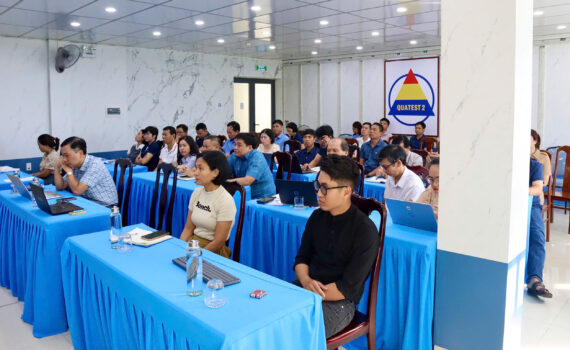
Da Nang: Training Workshop on State Management in the Field of Standards, Metrology, and Quality
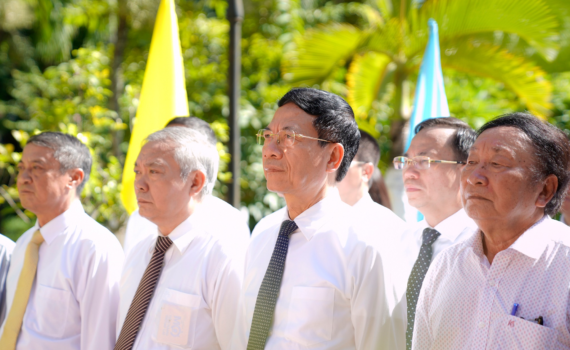
On the morning of June 26, 2025, Commission for the Standards, Metrology and Quality of Viet Nam (STAMEQ) organized a training course to guide the implementation of state management operations in the fields of standards, metrology, and quality, as decentralized under Decree No. 132/2025/NĐ-CP and Decree No. 133/2025/NĐ-CP. The program takes place over two days (June 26-27, 2025) at Quality Assurance And Testing Centre 2 (QUATEST 2) in Da Nang.
The program was attended in person by over 40 delegates from the Departments of Science and Technology of Da Nang, Quang Ngai, Quang Tri, Quang Nam, and QUATEST 2. Additionally, over 250 delegates, who are officials and public employees working in the state management of standards, metrology, and quality at advisory and assisting agencies for provincial and municipal People’s Committees, attended the event online.
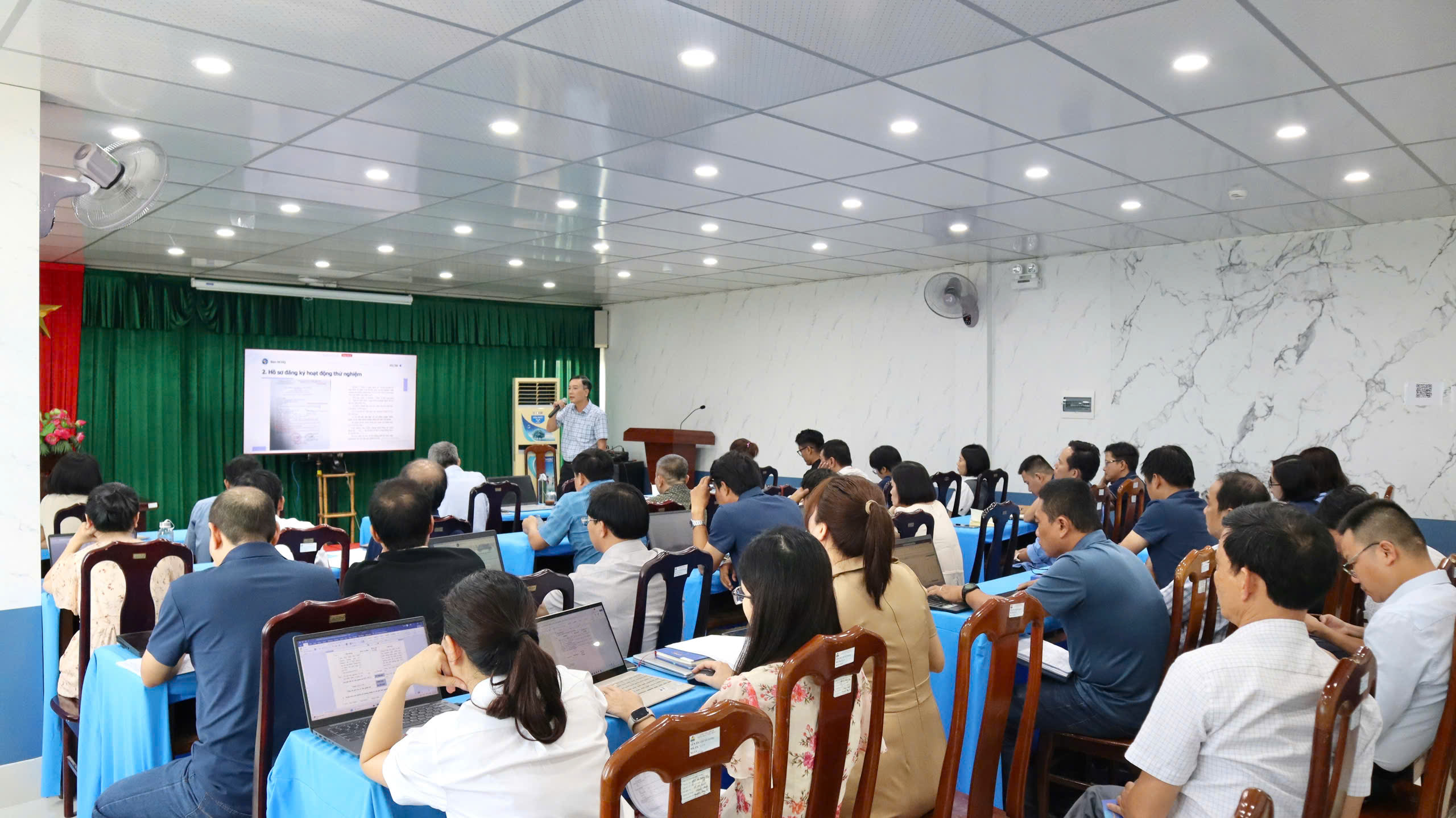
Nearly 300 participants attended the program through both online and in-person formats.
The training course aims to equip participants with knowledge and professional skills on the procedures for receiving and processing decentralized administrative procedures in the fields of standards, metrology, and quality. It also seeks to enhance coordination between local authorities and the specialized units of STAMEQ, ensuring consistency and synchronization in the implementation of decentralization.
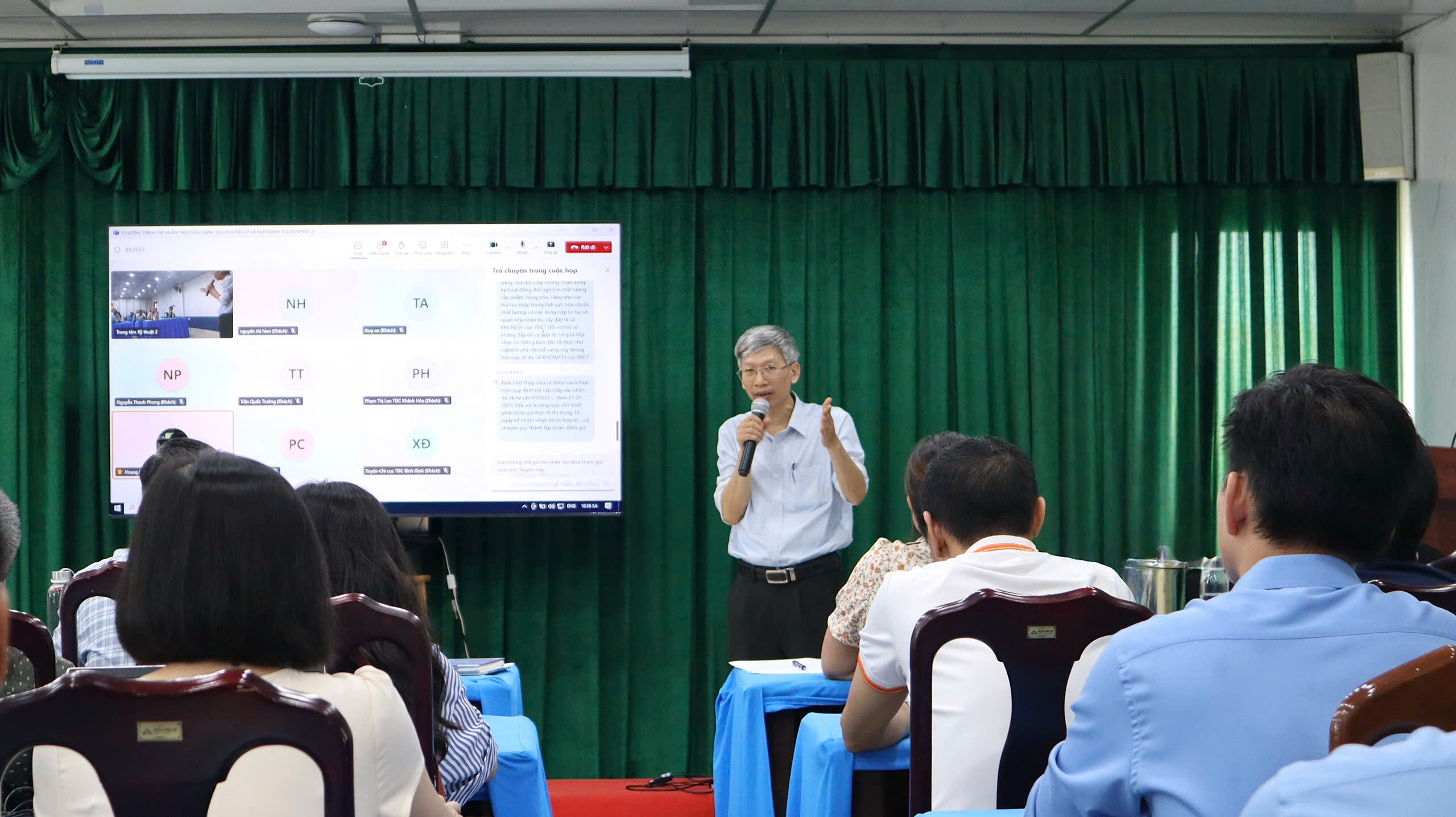
The training content is delivered over two days and covers three main topics:
Topic 1: An overview of Decree No. 132/2025/NĐ-CP and Decree No. 133/2025/NĐ-CP.
Topic 2: Training on the sequence for receiving and processing administrative procedures for the registration of business conditions for conformity assessment services.
Topic 3: Training on the sequence for receiving and processing administrative procedures for registering the operating conditions of organizations that conduct verification, calibration, and testing of measuring instruments and measurement standards.
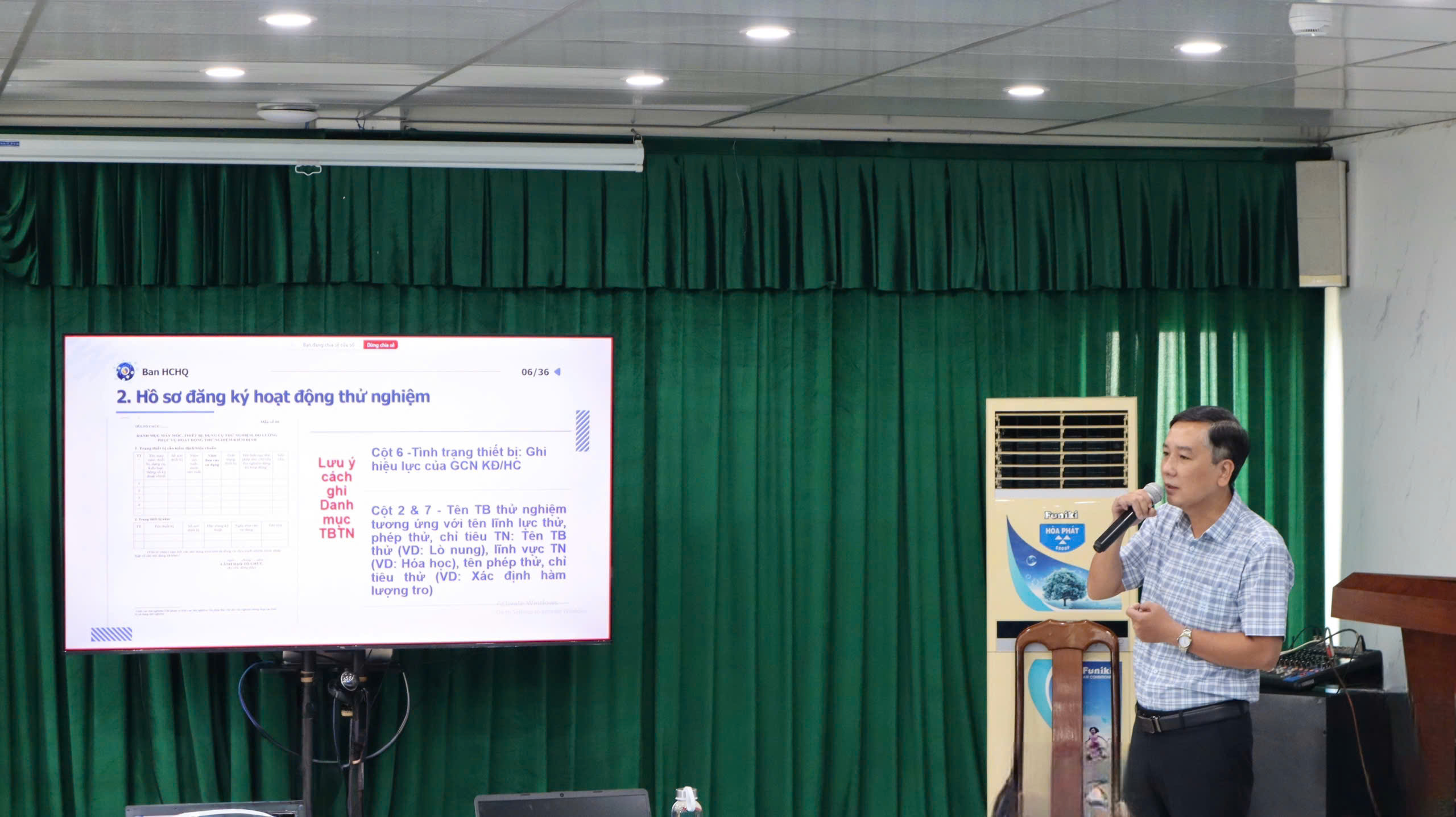
The program received significant attention from the delegates, with many questions raised regarding decentralization regulations, management rules, and the procedural sequence for implementing administrative procedures.
Previously, on June 25th, 2025, STAMEQ also held the first training course at Quality Training Centre (Hanoi). The two-day course (June 25-26, 2025) was attended by nearly 100 participants. It is reported that the third training program in the series will be held in Ho Chi Minh City for two days, from June 27-28, 2025.
- 24
Jun 25
-
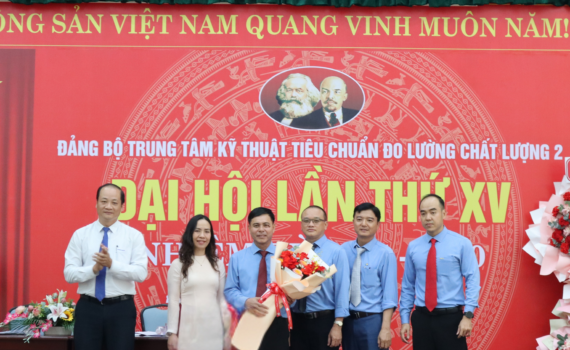
THE 15TH PARTY CONGRESS OF QUALITY ASSURANCE AND TESTING CENTRE 2 FOR THE 2025–2030 TERM CONCLUDES SUCCESSFULLY
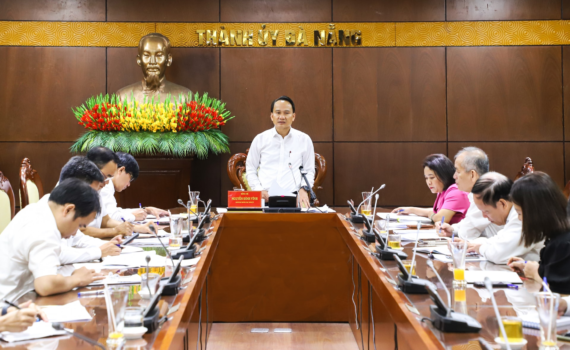
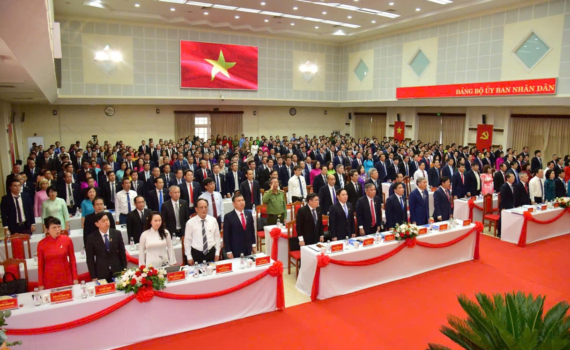
On June 23rd, 2025, implementing Directive No. 45-CT/TW dated April 14th, 2025, of the Politburo and Official Letter No. 1106-CV/ĐU dated June 13th, 2025, of the Party Committee of the Da Nang City People’s Committee, the Party Committee of Quality Assurance And Testing Centre 2 (QUATEST 2) held its 15th Party Congress for the 2025–2030 term.
Attending and directing the Congress was Comrade Nguyen Dang Huy, Deputy Secretary of the Party Committee of the Da Nang City People’s Committee, along with comrades from the advisory boards of the City’s Party Committee. On behalf of the City People’s Committee Party Committee, Comrade Nguyen Dang Huy presented flowers to congratulate the Congress.
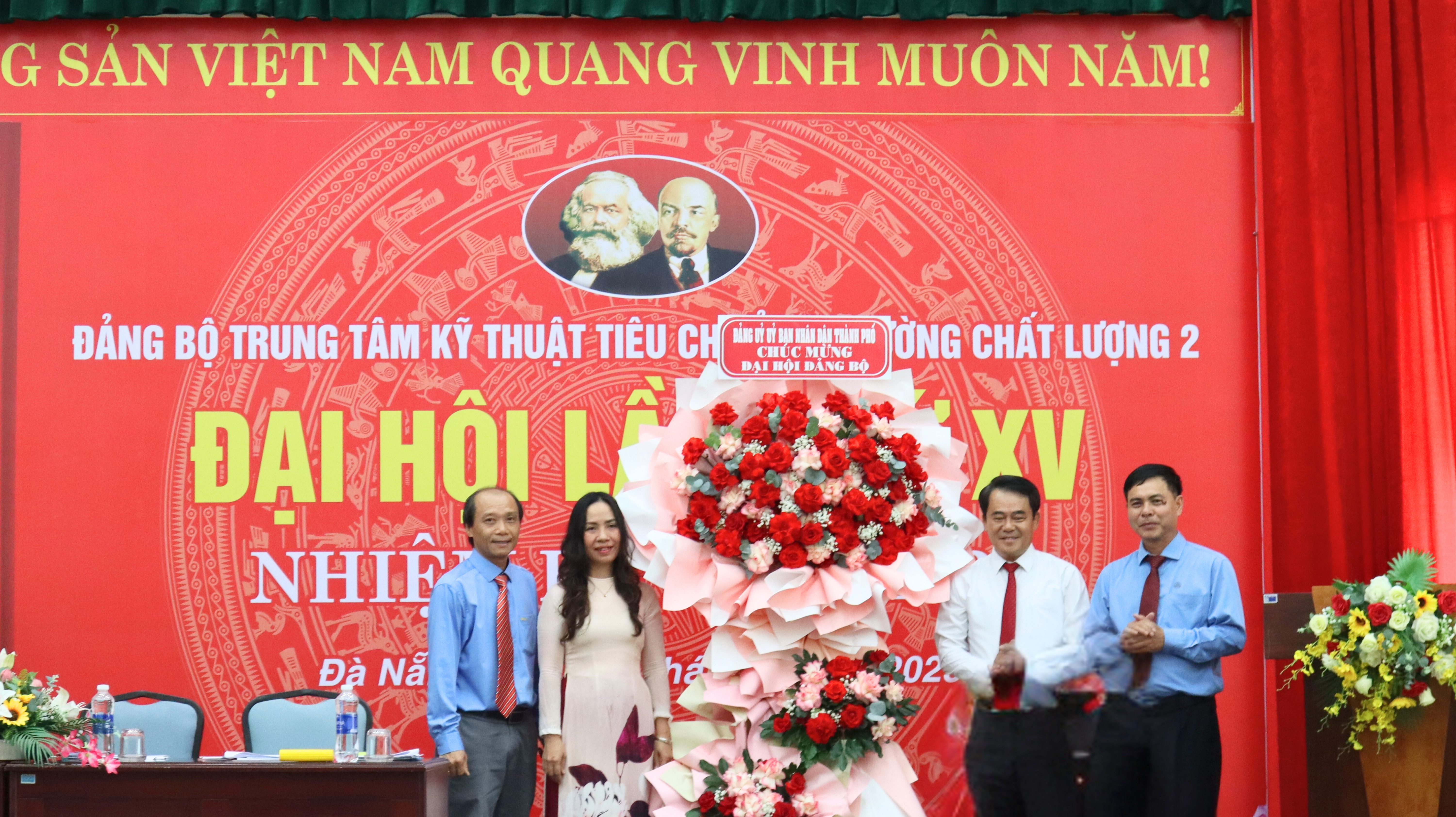
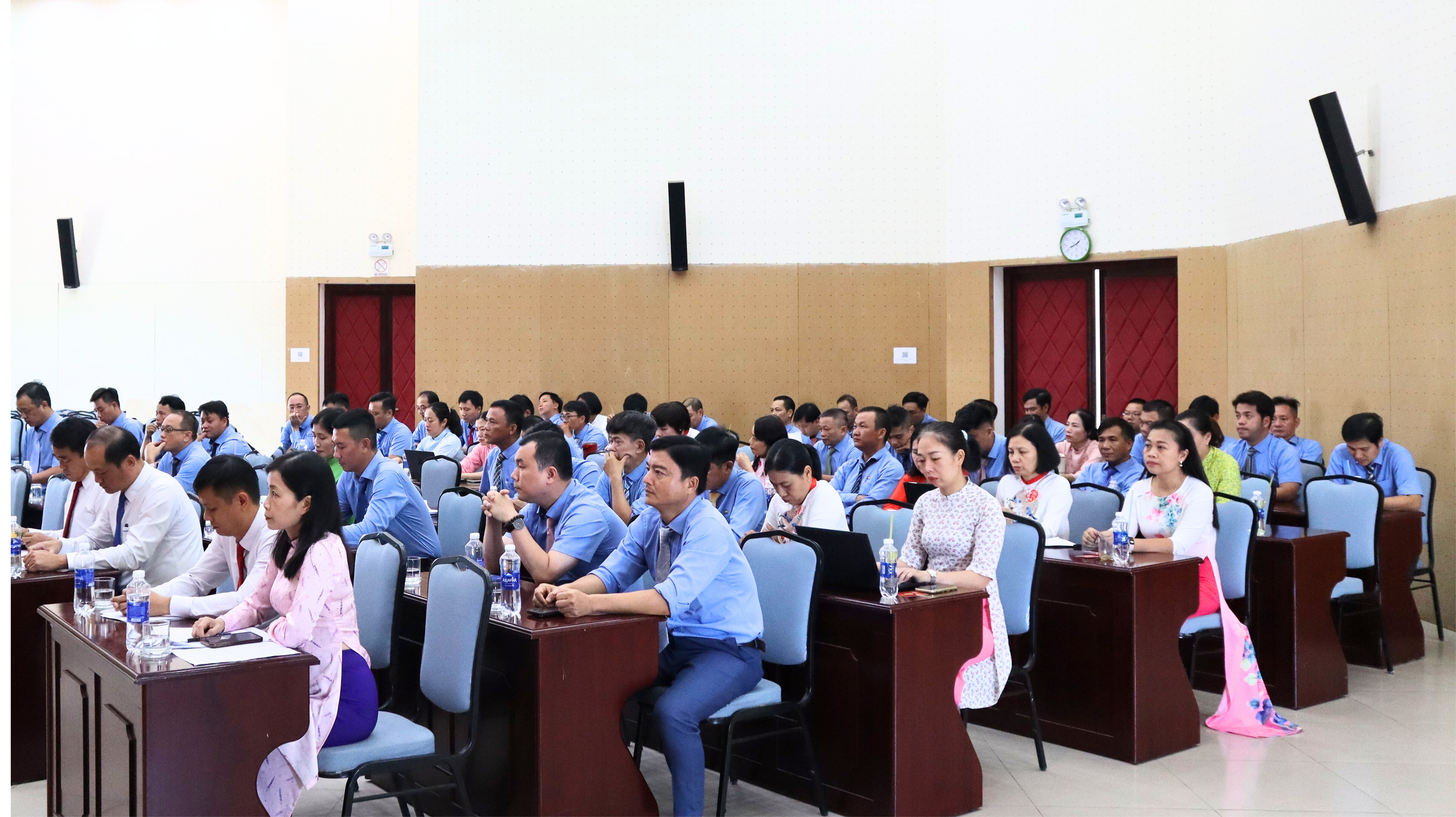
Representing the Party Committee of QUATEST 2, attendees included Comrade Ta Ngoc Tu – Deputy Secretary of the Party Committee and Acting Director of QUATEST 2, Comrade Ngo Thi Nhu Loan – Party Committee Member and Deputy Director of QUATEST 2, along with all 63 party members of the Party Committee.
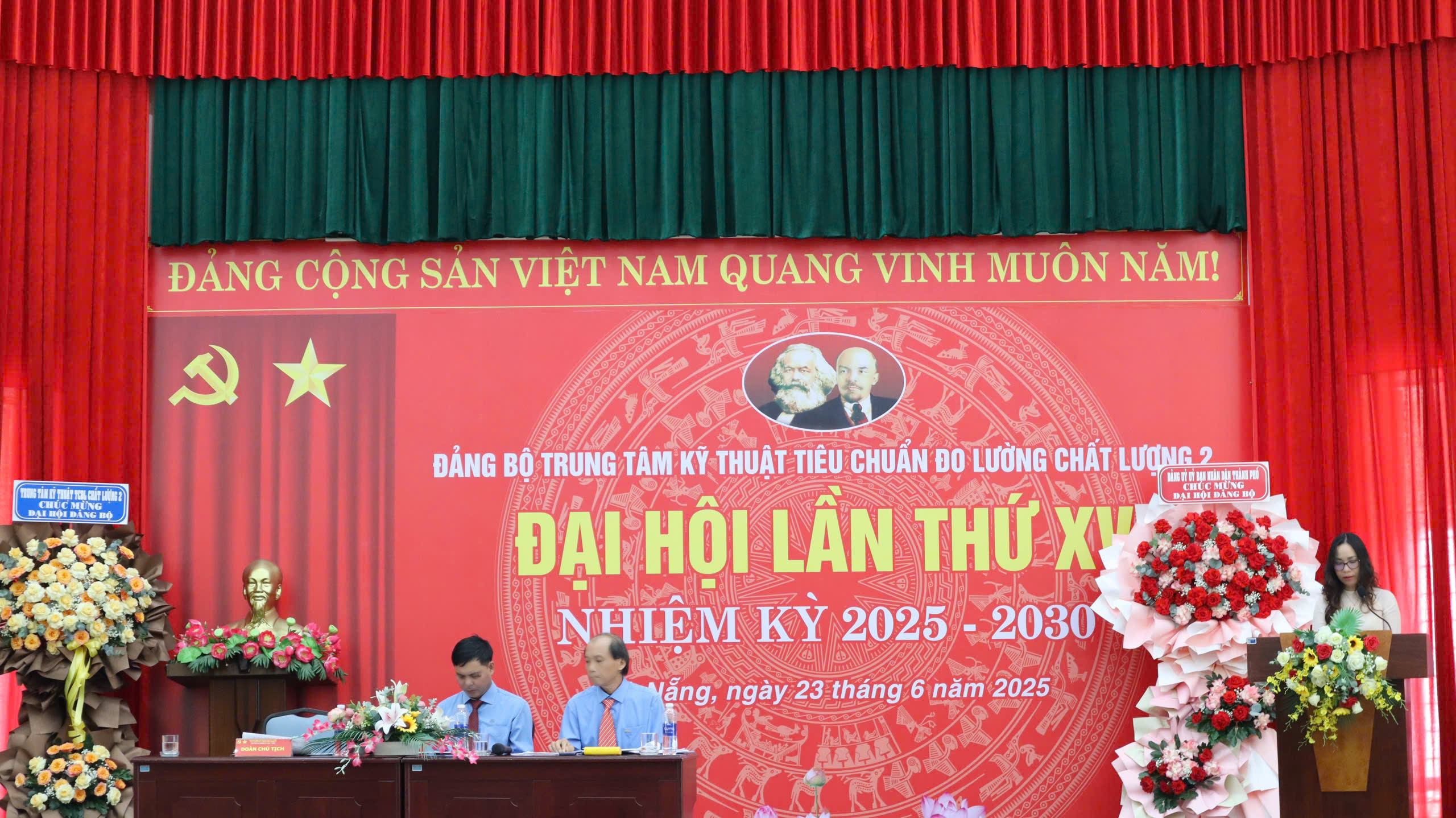
On behalf of the Party Executive Committee, Comrade Ta Ngoc Tu delivered the opening speech and presented the political report, focusing on a comprehensive assessment of the implementation of the 14th Congress Resolution (2020–2025) and outlining the direction and tasks for the upcoming term. During the past term, the Party Committee led the unit through numerous difficulties and challenges, including the severe impact of the COVID-19 pandemic, to maintain operational stability, enhance service quality, and complete most of the set targets. The political report presented at the Congress highly valued the results of the effective implementation of digital transformation and the application of technology in professional, managerial, and operational activities. It also seriously acknowledged shortcomings in organizational structure, facilities, and party member development. Based on this practical review, the Party Committee has defined clear directions, goals, tasks, and key solutions for the 2025–2030 term. The focus will be on enhancing the capacity of the Party organization, promoting technical expertise, improving management processes, expanding operational areas, and developing QUATEST 2 into a comprehensively strong unit, progressively meeting the requirements to become a national-level center for standards, metrology, and quality.
Following this, Comrade Ngo Thi Nhu Loan presented the Review Report of the Party Executive Committee for the 2020–2025 term, highlighting efforts in leading and directing the implementation of the Party Committee’s Resolution, adhering to the principle of democratic centralism and working regulations, and building a clean and strong party organization. The report also addressed shortcomings and limitations in inspection, supervision, party cell activities, and Party member development, thereby drawing lessons to enhance leadership capacity in the next term.
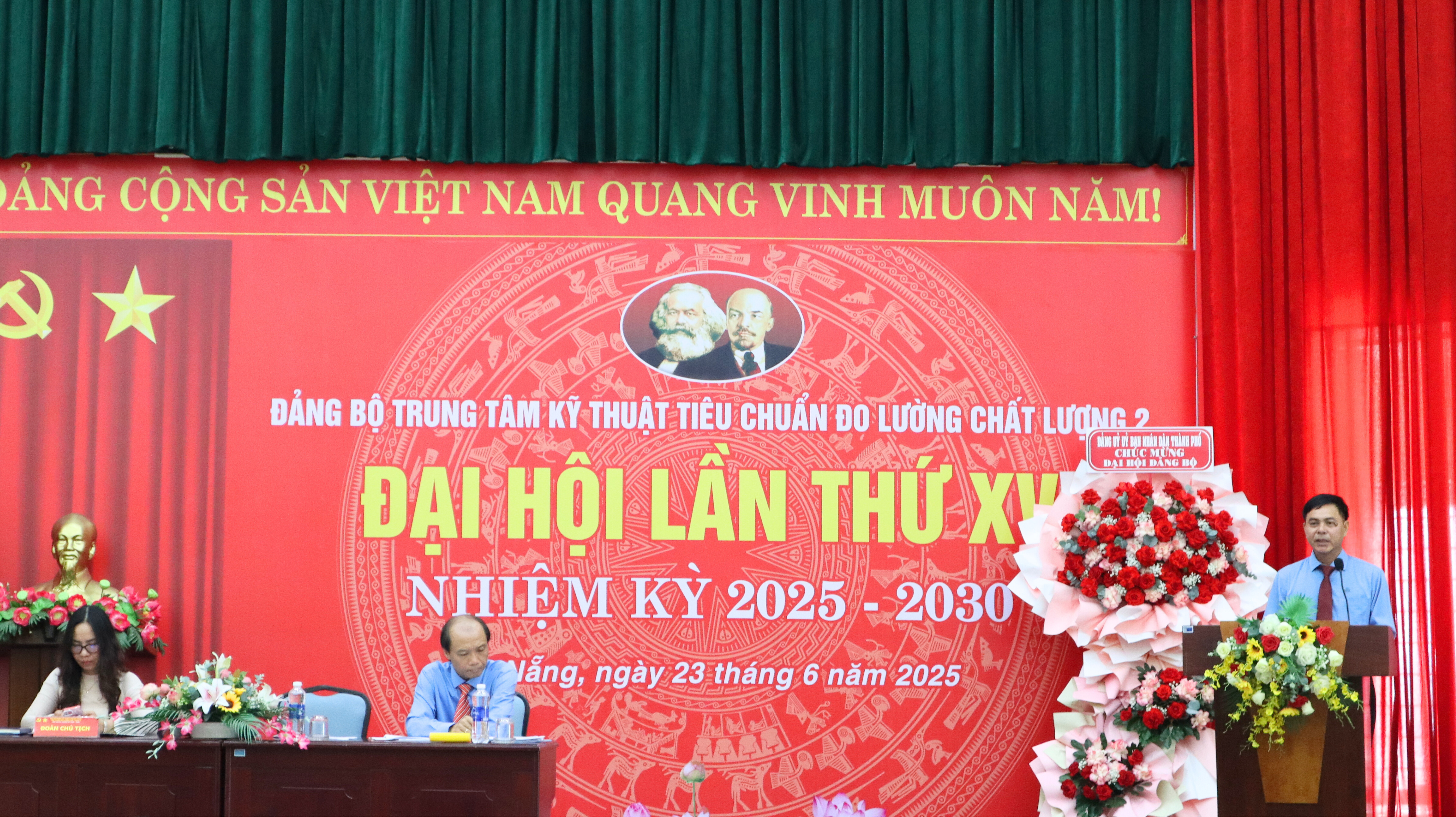
In his directive speech at the Congress, Comrade Nguyen Dang Huy – Deputy Secretary of the City People’s Committee Party Committee – acknowledged and highly praised the preparation and organization of the Congress by the Center’s Party Committee, especially the seriousness in reviewing the past term and proposing a development direction suitable for the new situation.
Comrade Nguyen Dang Huy emphasized six key tasks for QUATEST 2’s Party Committee to focus on in the coming term:
- Lead the effective implementation of political tasks, particularly in the fields of science and technology innovation, digital transformation, and standards and metrology.
- Promote political and ideological work, and effectively grasp and guide public opinion.
- Strictly implement the principle of democratic centralism and improve the quality of party cell activities.
- Pay close attention to the development, review, and screening of party members.
- Effectively carry out inspection, supervision, and disciplinary enforcement.
- Lead public mobilization work and build strong socio-political organizations.
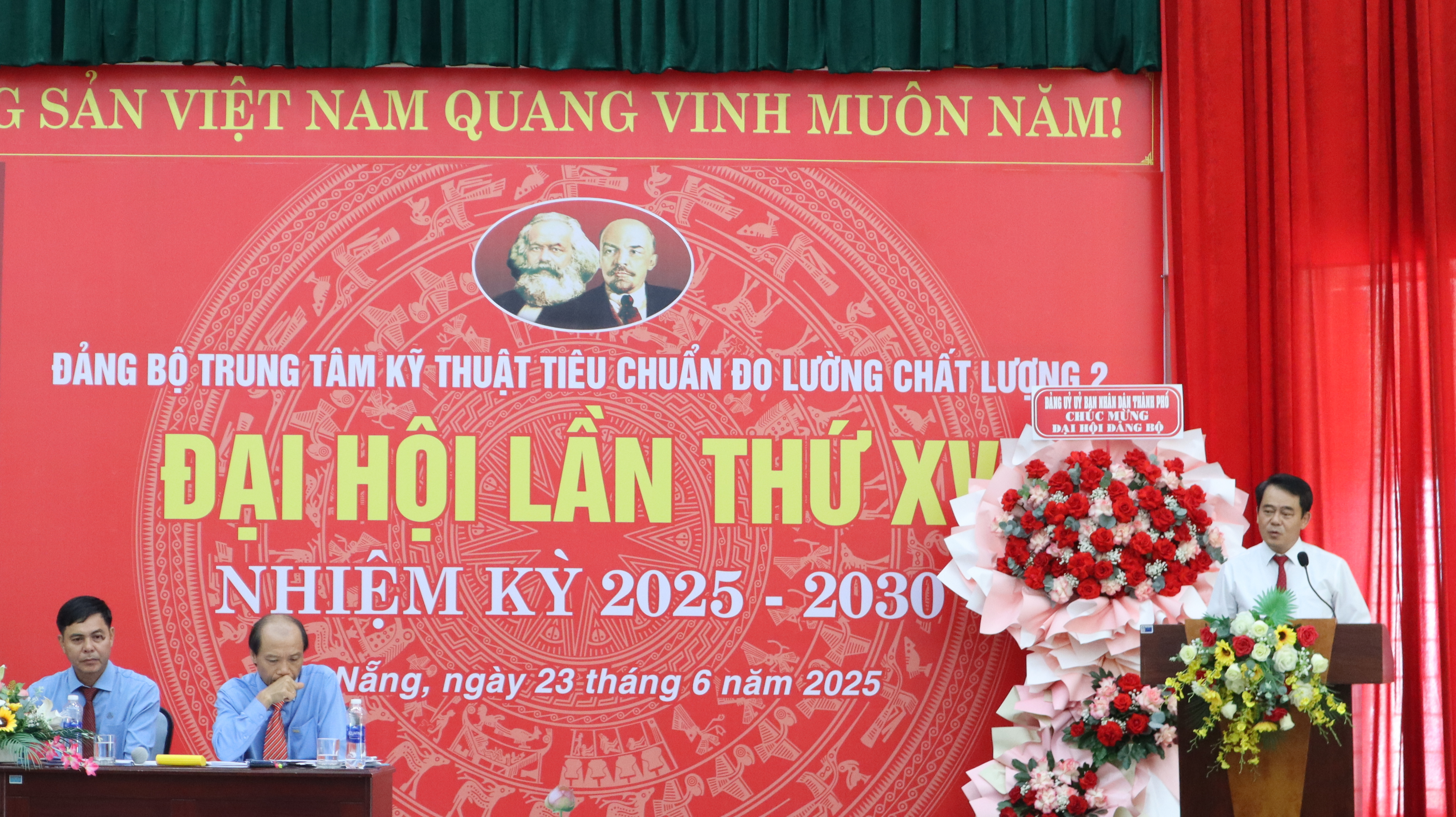
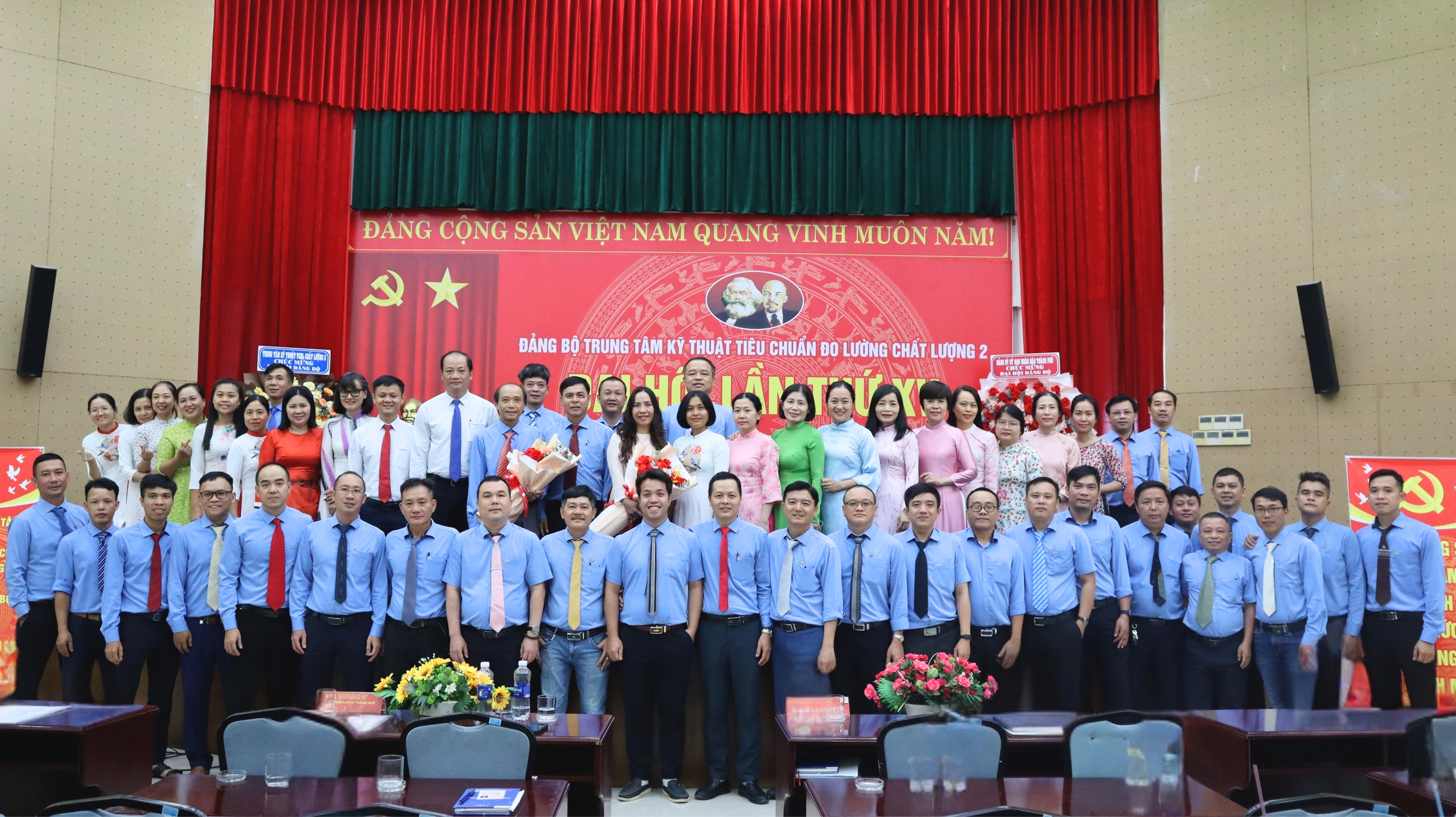
The Congress elected the Party Executive Committee for the 2025–2030 term, comprising 05 comrades, and the Party Inspection Committee, comprising 03 comrades. Comrade Ta Ngoc Tu was elected to the position of Secretary of the Party Committee, and Comrade Ngo Thi Nhu Loan was elected Deputy Secretary of the Party Committee and Head of the Inspection Committee.
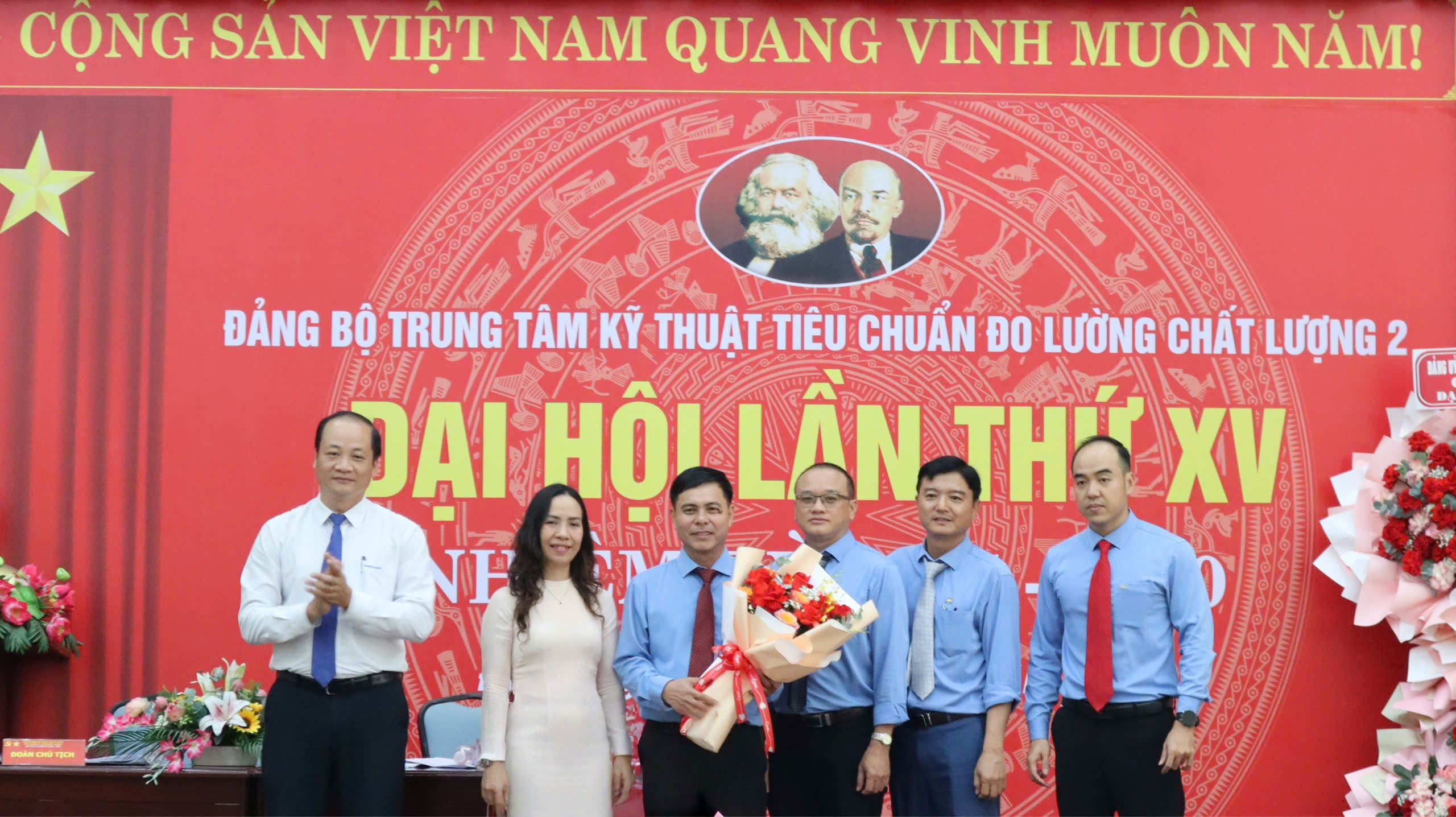
Regarding the direction for the 2025–2030 term, the delegates agreed on the goal of building a clean and strong Party Committee, enhancing leadership capacity, and developing QUATEST 2 into a key technical unit within the National Quality Infrastructure (NQI) for the Central and Central Highlands region. QUATEST 2 will focus on maintaining the quality of technical services and developing spearhead services such as testing, calibration, Halal consulting, and greenhouse gas inventory. It will also accelerate digital transformation, apply new technologies, and build an integrated database; improve the quality of human resources and the lives of its employees; and enhance public mobilization work, develop party membership, and maintain Party discipline and the political system’s integrity.
In his closing remarks, Comrade Ta Ngoc Tu called on all officials, party members, and employees to continue promoting the tradition of solidarity, innovation, and patriotic emulation, determined to successfully implement the Resolution of the 15th Party Congress of the Center, thereby contributing to the successful implementation of the Resolution of the 14th National Party Congress.
(Tiếng Việt) Thống kê truy cập


 Visit Today : 237 Visit Today : 237 |
 Visit Yesterday : 438 Visit Yesterday : 438 |
 Total Visit : 663998 Total Visit : 663998 |
(Tiếng Việt) QUATEST 2 ĐƯỢC CÔNG NHẬN BỞI