- [email protected]
- (0236) 3848376
- (0236) 3910064
NewsNEWS
- 13
Jun 25
-
- 13
Jun 25
-
- 13
Jun 25
-

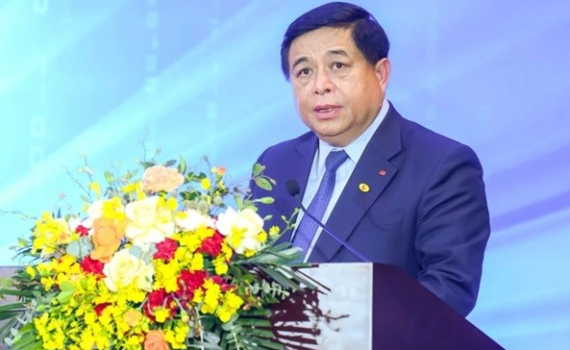
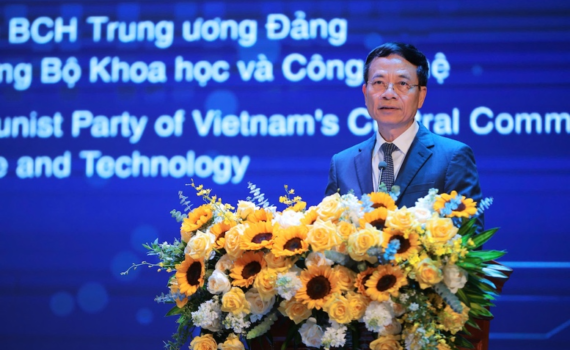
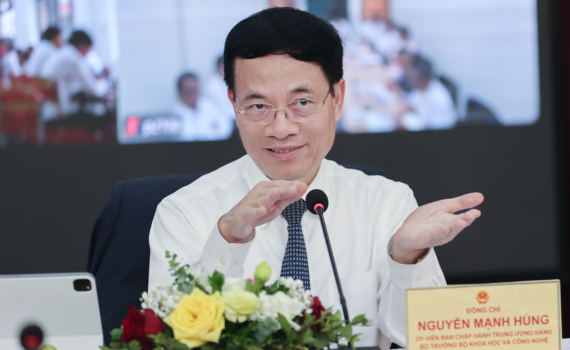
The Ministry of Science and Technology has approved the Project on Digital Transformation of the Standards, Metrology, and Quality Sector
On March 25, 2024, the Minister of Science and Technology issued Decision No. 455/QĐ-BKHCN approving the Digital Transformation Project of the Standards, Metrology and Quality (SMQ) sector to 2025, with an orientation to 2030.
With the point of view of placing the interests of people and businesses as the main goal in the digital transformation of the SMQ sector, the project ensures consistency, transparency, effectiveness, and efficiency; forms a digital transformation mindset based on productivity improvement and lean management thinking; and fosters a fundamental change in awareness and working methods. It aims to improve the labor productivity of officials, civil servants, and employees, as well as enhance service to citizens and businesses in the management of SMQ activities. The initiative aligns with Industry 4.0 trends, serving the integration process and the socio-economic development of the country.
The project outlines orientation goals for 2030, such as: implementing SMQ activities in a digital environment, designed and operated based on digital data and technology platforms, with the capacity to provide better, more optimized, and more efficient services in the enforcement of SMQ regulations nationwide; building and completing a digital database system for the SMQ sector capable of connecting and synchronizing the Ministry of Science and Technology with other ministries, sectors, localities, and businesses; constructing a digital infrastructure for the SMQ sector based on a hybrid centralized–decentralized model that is unified from central to local levels, modern, and compatible with international integration requirements, while improving productivity through science, technology, and innovation.
In addition, the project sets out several key targets like: 100% of leadership, operation, and internal management activities to be conducted on a unified digital management platform; 100% of state agencies in the SMQ field to participate in data opening and provide open data to support the development of digital government, digital economy, and digital society; 100% of public services to be integrated and implemented in the electronic environment; 100% of digital data on standards and technical regulations to be provided and implemented on the SMQ sector’s digital data system; and aiming for 95% satisfaction from people and businesses regarding administrative procedure handling. One of the most important tasks and solutions mentioned in the project is the development of digital infrastructure, digital data, and digital platforms.
Regarding digital infrastructure: establish and develop a stable, secure, and seamless digital infrastructure for the SMQ sector, connecting central and local levels; enhance investment, upgrading, and maintenance of equipment and cybersecurity systems to support the management and operation of SMQ state agencies.

Regarding digital data: build an integrated digital data system for the entire SMQ sector from central to local levels, based on a decentralized and delegated approach to ensure connection and data sharing for socio-economic development.
Regarding the development of digital platforms for the SMQ sector: develop an intelligent cloud platform for the SMQ sector (Intelligent Standards, Metrology And Quality – iSTAMEQ) to provide open government data in the digital environment, enhancing data sharing, connectivity, and reception of information to support the development of the digital economy and society, while ensuring information security for organizations and individuals in accordance with the law.
Securing cybersecurity and information safety shall be delegated according to legal regulations. Priority will be given to hiring professional service providers to ensure network information security, data protection, and mechanisms for backup and recovery of servers, workstations, and related endpoint devices.
- 21
May 25
-
- 12
May 25
-

HALAL STANDARDS, AN OPPORTUNITY FOR DA NANG CITY TO DEVELOP MUSLIM-FRIENDLY TOURISM
On the morning of May 9, 2025, Quality Assuarance and Testing Center 2 (QUATEST 2) in collaboration with Da Nang’s Department of Culture, Sports and Tourism and the National Halal Certification Center, hosted a seminar titled “Guidance on Applying Halal Technical Requirements for Food and Beverage Businesses” in Da Nang.
Attendees of the seminar included leaders from Da Nang’s Department of Culture, Sports and Tourism, QUATEST 2, the National Halal Certification Center, over 150 delegates from local tourism, food service, and training institutions, as well as journalists covering the event.
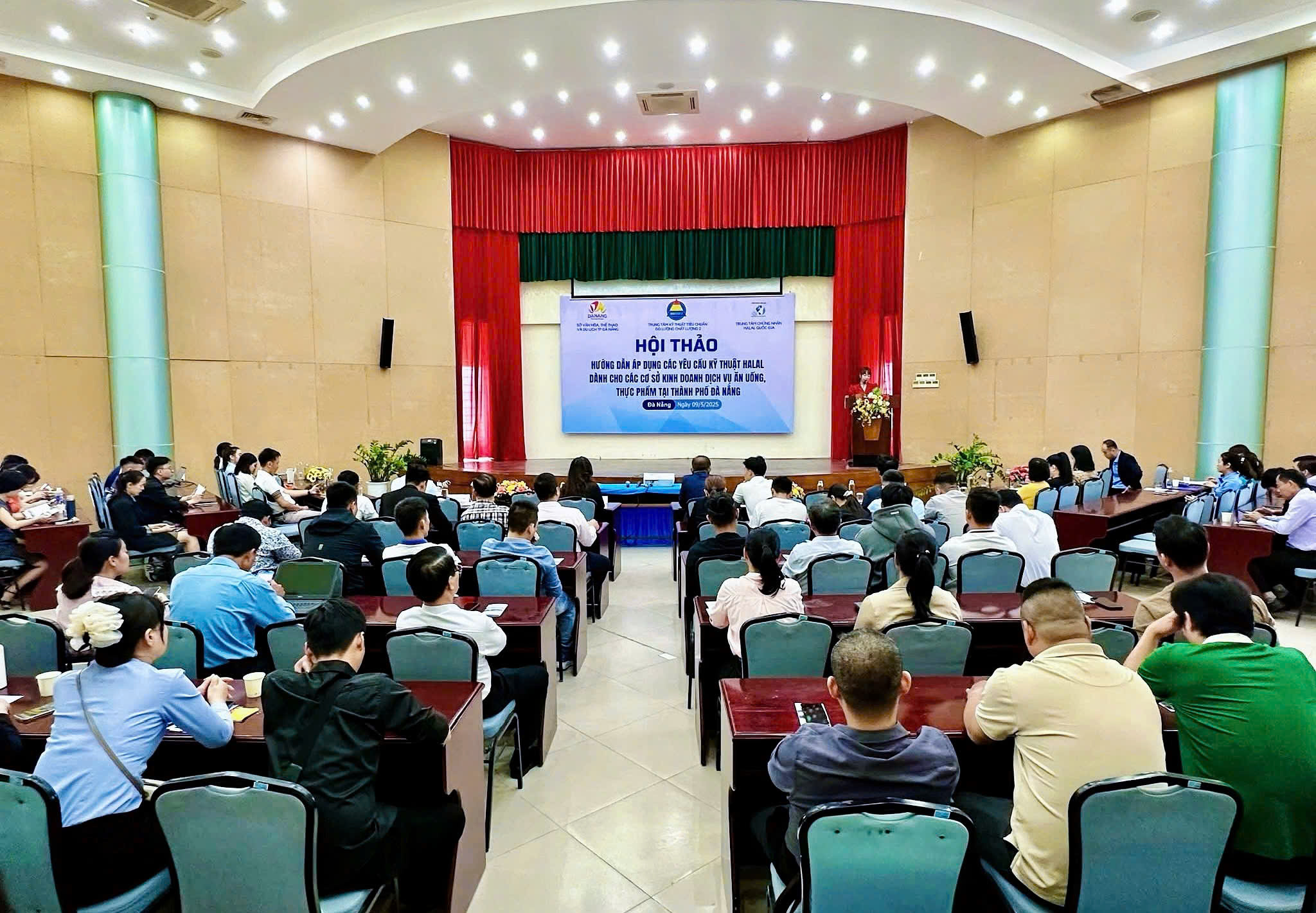
At the opening of the seminar, Ms. Ngo Thi Nhu Loan – Deputy Director of QUATEST 2 emphasized that the global Halal product and service market is expanding rapidly and presents a significant opportunity for Vietnamese businesses to grow their Halal offerings in Islamic countries.
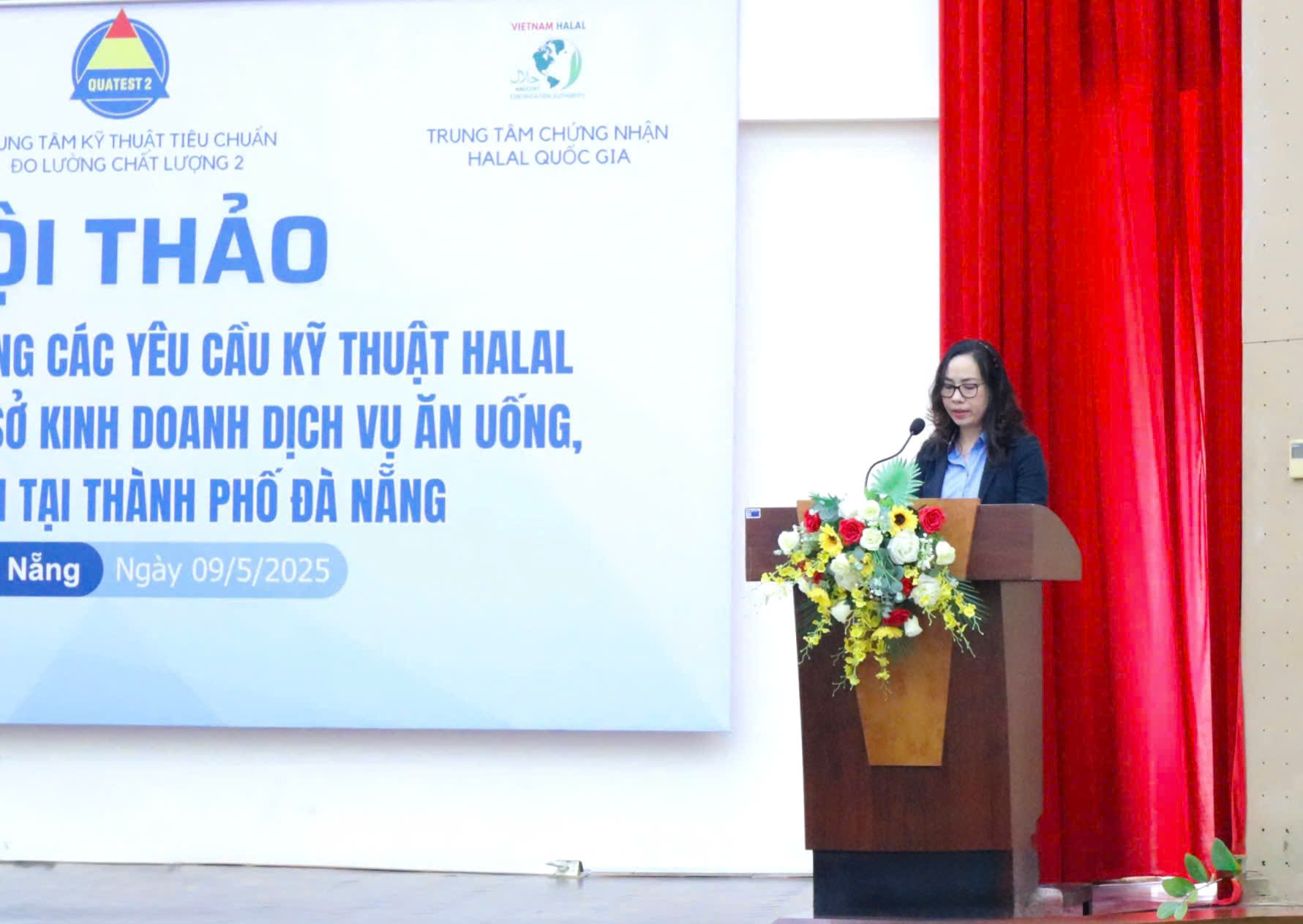
Ms. Le Thi Ai Diep from Da Nang’s Department of Culture, Sports and Tourism highlighted the significant potential of Halal tourism and expressed hope for practical and creative ideas from the seminar to help Da Nang City develop a more Muslim-friendly tourism industry, particularly to meet the needs of travelers from the Middle East and other Islamic countries in the near future.
At the seminar, Halal experts from QUATEST 2 and the National Halal Certification Center also presented Halal products and services, outlined Vietnam’s management approach to the Halal sector, and introduced relevant national Halal standards for food, beverage, and Muslim-friendly tourism businesses such as:
- TCVN 12944:2020 Halal food – General requirements;
- TCVN 13708:2023 Good agricultural practices for Halal farm;
- TCVN 13709:2023 Halal animal feeding;
- TCVN 13710:2023 Halal foods – Animal slaughtering requirements;
- TCVN 14230: 2024 Muslim Friendly Hospitality Services – Requirements;
Mr. Ma Minh Tuan, Director of Halal Indrapura Restaurant in Da Nang, shared his practical experience in serving Muslim guests. He covered sourcing ingredients, food preparation zones, separate dining areas, menu design, staff attire, designated prayer spaces, and the importance of cultural understanding and hospitality toward Muslim customers.
The seminar sparked active discussions among delegates regarding the scope, requirements, and costs of implementing and certifying Halal standards in restaurants and hotels. Experts addressed these questions thoroughly.
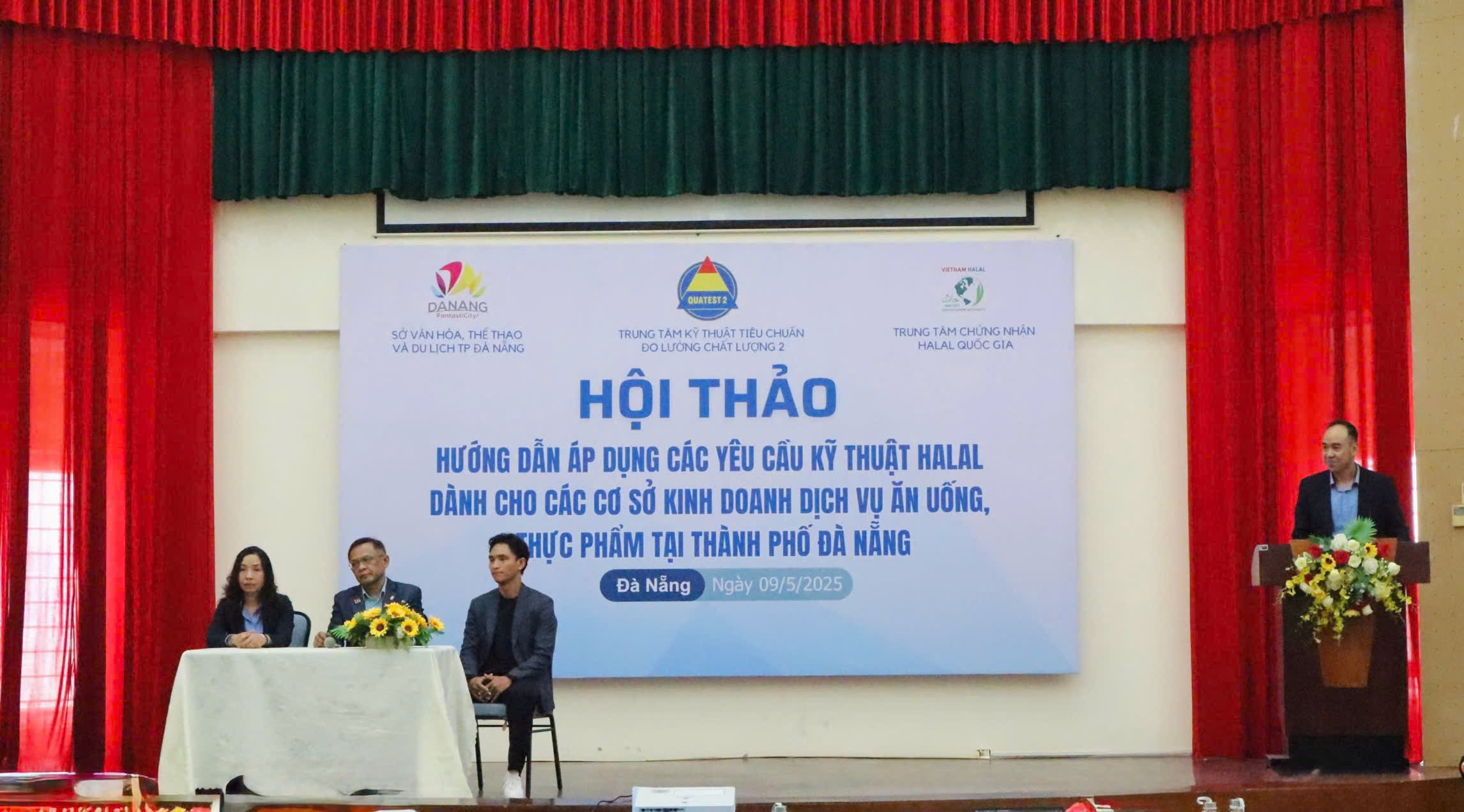
The event also provided updated insights into the Muslim tourism market and Halal certification requirements, helping local food service businesses and educational institutions in Da Nang better understand and seize opportunities to attract Muslim tourists.
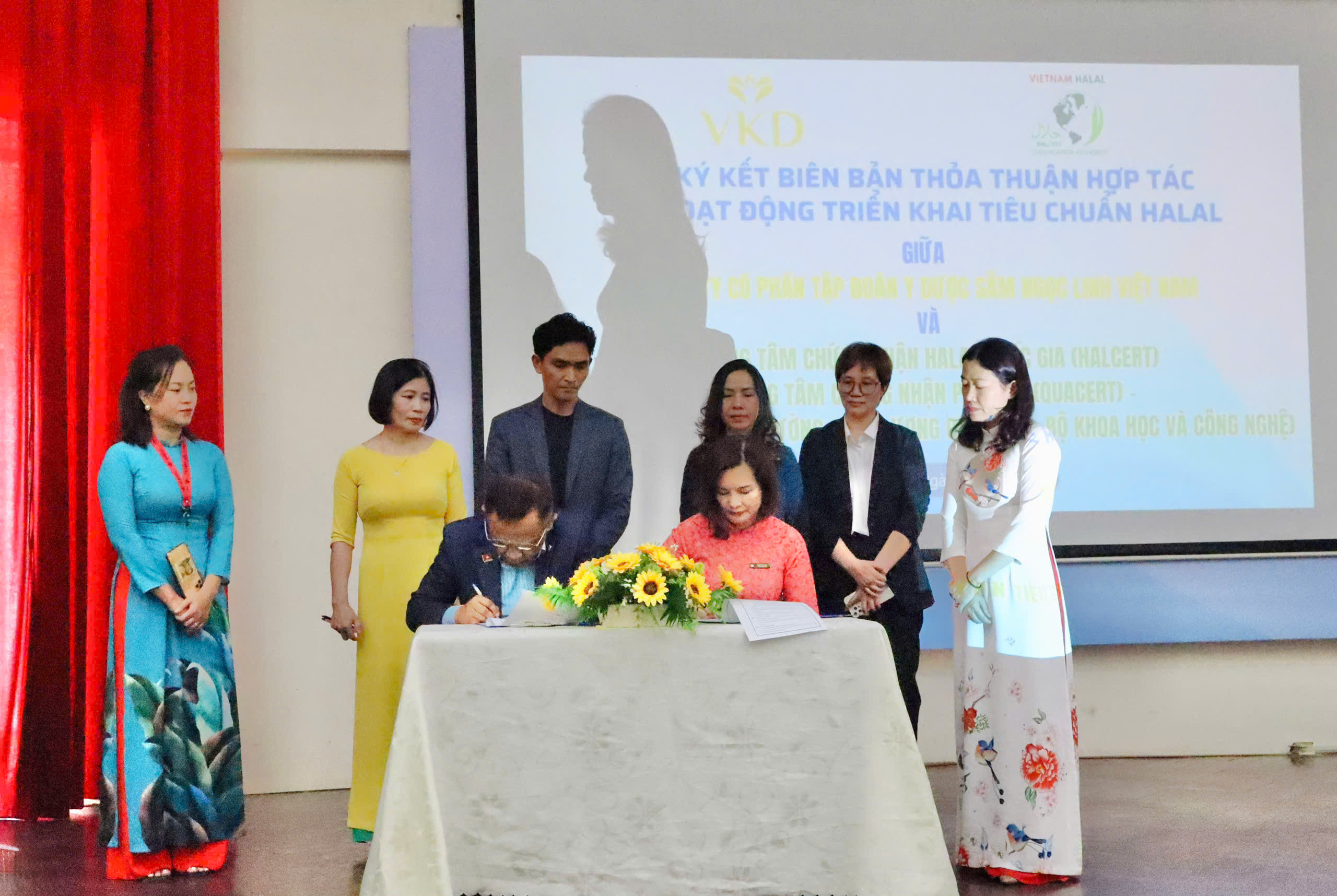
Following expert discussions on market potential and the benefits of Halal standards, the Da Nang branch of the Vietnam Ngoc Linh Ginseng Pharmaceutical Group signed an Memorandum of Understanding (MoU) with the National Halal Certification Center. The agreement aims to implement and certify Halal standards in the production of food and cosmetics derived from ginseng.
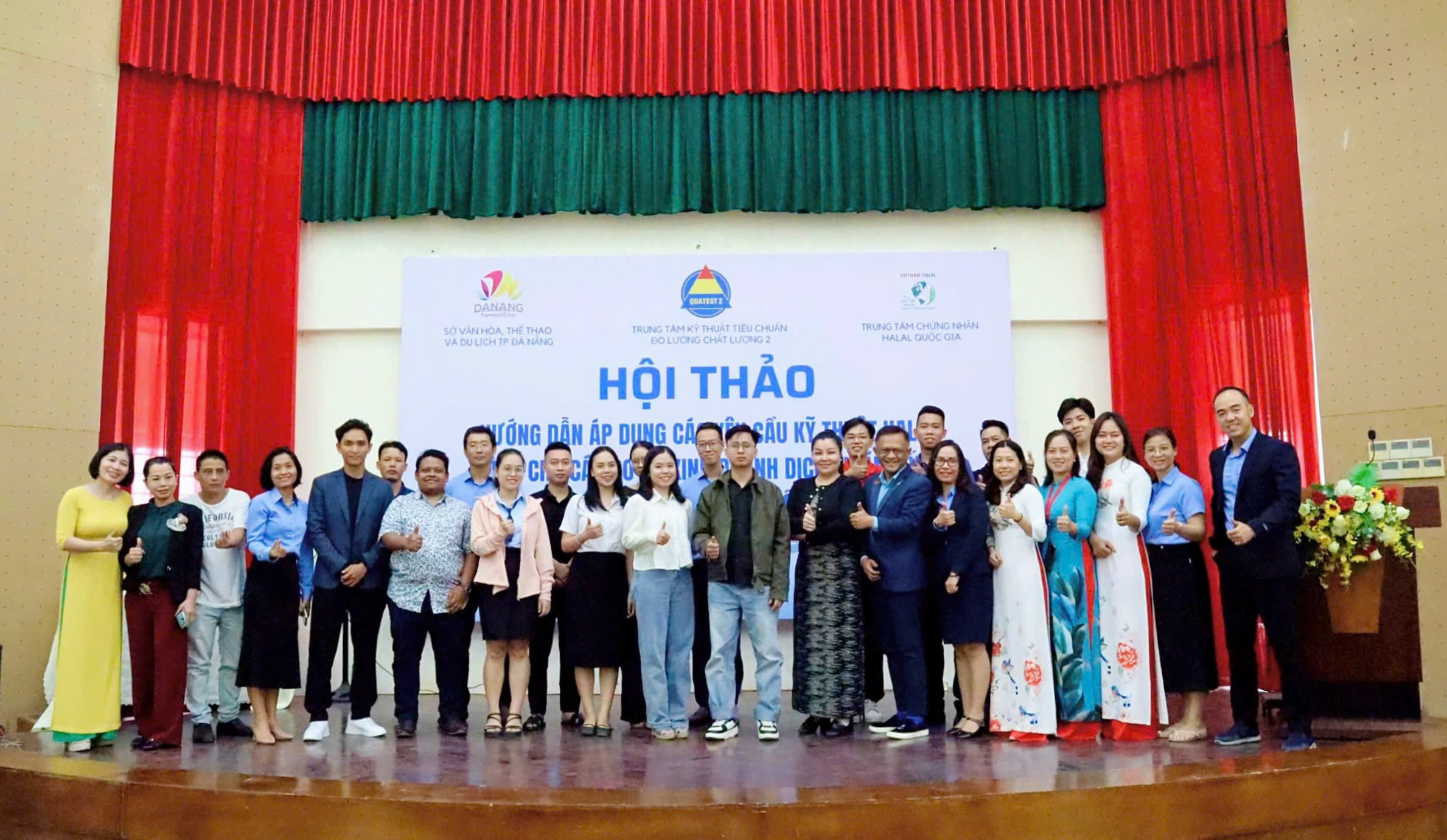
In the near future, QUATEST 2 will continue collaborating with local authorities to expand Halal standard training and promotion across Central and Central Highlands provinces. The goal is to help organizations and businesses apply Halal standards in production and tourism services, supporting green, sustainable, and Muslim-friendly development.
(Tiếng Việt) Thống kê truy cập


 Visit Today : 253 Visit Today : 253 |
 Visit Yesterday : 438 Visit Yesterday : 438 |
 Total Visit : 664014 Total Visit : 664014 |
(Tiếng Việt) QUATEST 2 ĐƯỢC CÔNG NHẬN BỞI